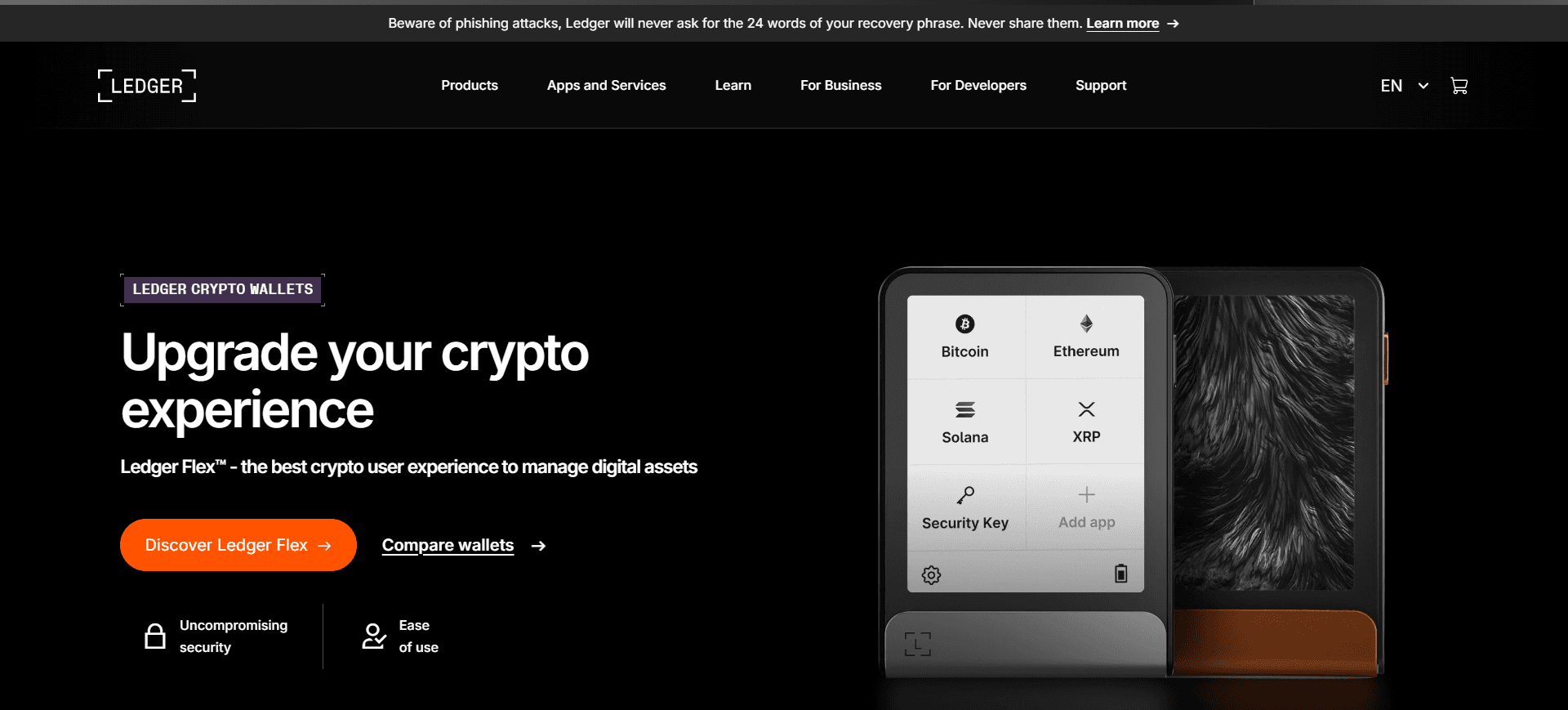
Ledger.com/start: Your Ultimate Guide to Safely Setting Up a Ledger Wallet
Introduction: The Growing Need for Secure Crypto Storage
As cryptocurrency continues to revolutionize the financial world, more people are taking control of their digital assets. However, this control also comes with a significant responsibility: ensuring that your crypto is secure. In an ecosystem where exchanges and software wallets are frequent targets of hacks, a hardware wallet like Ledger offers the best protection.
A hardware wallet is a physical device that stores the private keys required to access and manage your cryptocurrencies, offline and away from potential online threats. If you want to secure your crypto investments, Ledger provides a solution that's both safe and simple to use.
In this comprehensive guide, we’ll walk you through the setup process for your Ledger hardware wallet using Ledger.com/start, explain its features, and share important tips for safeguarding your cryptocurrency.
What Is Ledger?
Ledger is a well-known hardware wallet manufacturer that has become a trusted name in cryptocurrency security. Their products, including the Ledger Nano S and Ledger Nano X, are designed to keep your crypto private keys safe from online threats. Unlike software wallets, where your keys might be vulnerable to malware or phishing attacks, Ledger hardware wallets store your keys offline, making them highly secure.
Ledger Nano S is an entry-level device perfect for beginners, while the Ledger Nano X is a more advanced option with Bluetooth support for mobile use. Both devices are highly regarded for their robust security features and ability to store multiple cryptocurrencies.
Why Choose Ledger?
Offline Storage: Your private keys never leave the device, ensuring they are protected from online threats.
Multi-Currency Support: Ledger supports over 1,800 digital assets, including Bitcoin, Ethereum, and many ERC-20 tokens.
Backup & Recovery: With Ledger, you can securely back up your wallet and restore it if needed.
Enhanced Security: The device uses a Secure Element (SE) chip, providing high-level encryption for your private keys.
Getting Started with Ledger.com/start
When you first unbox your Ledger hardware wallet, the first thing you should do is go to Ledger.com/start. This official website ensures you get the latest software updates, instructions, and security tips for setting up your device. It’s essential to use Ledger.com/start because it’s the only official and secure way to download Ledger Live, the app you'll use to manage your crypto.
Step-by-Step Guide to Setting Up Your Ledger Wallet
Here’s a complete guide to setting up your Ledger hardware wallet and using Ledger.com/start to ensure everything is secure.
Step 1: Unbox Your Ledger Device
When you receive your Ledger device, carefully unbox it. Inside the package, you should find:
The Ledger wallet (Nano S or Nano X)
A USB cable for connecting the device
A recovery seed card (for backing up your wallet)
A quick start guide with important instructions
Be sure to check that the packaging is intact and that everything is in place. If you notice any issues, such as damaged packaging or missing items, don’t use the device and contact Ledger support.
Step 2: Visit Ledger.com/start
To begin setting up your Ledger device, navigate to Ledger.com/start in your browser. This is the official site where you’ll find all the instructions for getting your device up and running. Never use any other website to download the software, as this could expose you to phishing scams or malware.
On Ledger.com/start, select your Ledger device (Nano S or Nano X) to get customized setup instructions.
Step 3: Download Ledger Live
Ledger Live is the software you’ll use to interact with your Ledger device. It allows you to manage your crypto portfolio, send and receive funds, and update your wallet’s firmware.
Go to Ledger.com/start and click on Download Ledger Live.
Choose the version compatible with your operating system (Windows, macOS, or Linux).
Install the software following the on-screen instructions.
Ledger Live is your central hub for managing your cryptocurrency, so it’s important to get the latest version for the best security and functionality.
Step 4: Connect Your Ledger Device
Once Ledger Live is installed, connect your Ledger hardware wallet to your computer using the provided USB cable. If you’re using the Ledger Nano X, you can also connect it to your mobile device via Bluetooth for easier use on the go.
When you connect the device for the first time, it will prompt you to select your language. Follow the on-screen instructions, which will guide you through the setup process.
Step 5: Install the Latest Firmware
Upon connecting your Ledger device, you’ll need to install the latest firmware. Firmware updates ensure that your wallet remains secure and compatible with the latest cryptocurrencies.
Ledger Live will automatically detect if a firmware update is required.
Follow the prompts to install the update. Make sure you don’t disconnect your Ledger device during this process to avoid any potential issues.
Step 6: Create a New Wallet and Write Down Your Recovery Seed
After installing the firmware, you’ll be prompted to create a new wallet. The Ledger device will generate a 24-word recovery seed—a critical backup that allows you to restore your wallet in case the device is lost or damaged.
Write down the 24 recovery words on the recovery sheet provided.
Important: Never store your recovery seed digitally, and never share it with anyone. If someone gains access to your recovery seed, they can access your funds.
After writing it down, confirm the recovery seed on the device to make sure it’s recorded correctly.
Step 7: Set Your PIN Code
To add another layer of security, you’ll be asked to set a PIN code for your Ledger device. This PIN is required every time you connect the device to your computer or mobile phone.
Choose a unique PIN code that’s hard to guess.
Important: Do not share your PIN with anyone. If someone tries to enter the wrong PIN multiple times, the device will temporarily lock itself, providing protection against brute-force attacks.
Step 8: Final Setup and Ledger Live Configuration
Once your PIN code is set, your Ledger device is ready to use. Open Ledger Live to begin managing your crypto assets. In Ledger Live, you can:
View your portfolio and balances
Add or remove cryptocurrency accounts
Send and receive crypto
Install or uninstall apps for various cryptocurrencies
Perform firmware updates
Managing Your Crypto with Ledger Live
Sending Cryptocurrency
To send cryptocurrency from your Ledger wallet, follow these steps:
Open Ledger Live and select the account you want to send funds from.
Click on Send, and enter the recipient’s address and the amount you want to send.
Review the transaction details carefully.
Confirm the transaction on your Ledger device by entering your PIN and verifying the transaction details.
Always double-check the recipient address on your Ledger device screen, not on your computer screen, to avoid phishing attacks.
Receiving Cryptocurrency
Receiving cryptocurrency is just as easy:
In Ledger Live, select the account where you want to receive funds.
Click on Receive to generate a unique address.
Share this address with the sender. Be sure to verify the address on your Ledger device before sending it.
Ledger Security Features
Ledger hardware wallets are equipped with advanced security features to ensure that your assets remain safe from hacking and unauthorized access.
Secure Element (SE) Chip
Ledger devices feature a Secure Element (SE) chip, which is used to protect your private keys. This chip is highly resistant to physical attacks and encryption-breaking techniques, making it one of the most secure ways to store your crypto.
Passphrase Protection
For an additional layer of security, you can enable the passphrase feature. The passphrase acts like a second password that is combined with your recovery seed. Without the correct passphrase, no one can access your wallet, even if they have your recovery seed.
Two-Factor Authentication (2FA)
Ledger Live can integrate with compatible services to enable two-factor authentication (2FA), adding an extra layer of security to your transactions.
Tips for Keeping Your Ledger Wallet Secure
Store your recovery seed offline: Never store your recovery seed digitally, and don’t share it with anyone.
Enable passphrase protection: Adding a passphrase increases the security of your wallet.
Regularly update your firmware: Always install the latest updates to keep your Ledger device secure.
Use a strong, unique PIN: Choose a PIN that’s hard to guess to prevent unauthorized access.
Conclusion
Using Ledger.com/start to set up your Ledger hardware wallet is the safest way to get started with crypto security. By following these steps, you ensure that your digital assets are stored safely and securely, away from the dangers of online threats.
Ledger’s combination of offline private key storage, multi-currency support, and advanced security features makes it the best option for anyone serious about protecting their crypto. Whether you’re a beginner or an experienced user, Ledger Live offers a simple and secure way to manage your crypto portfolio from start to finish.
By following the setup process carefully and using the security features available, you can enjoy the peace of mind that comes with knowing your assets are safe.